











 Contact
 Access Map


First discovery of a new ladybird beetle species from a termite nest
First confirmed case of termitophily in a ladybird beetle in Thailand
Points
- No confirmed cases had been known in which ladybird beetles establish and live within termite nests. This study provides the first confirmation of such an association worldwide.
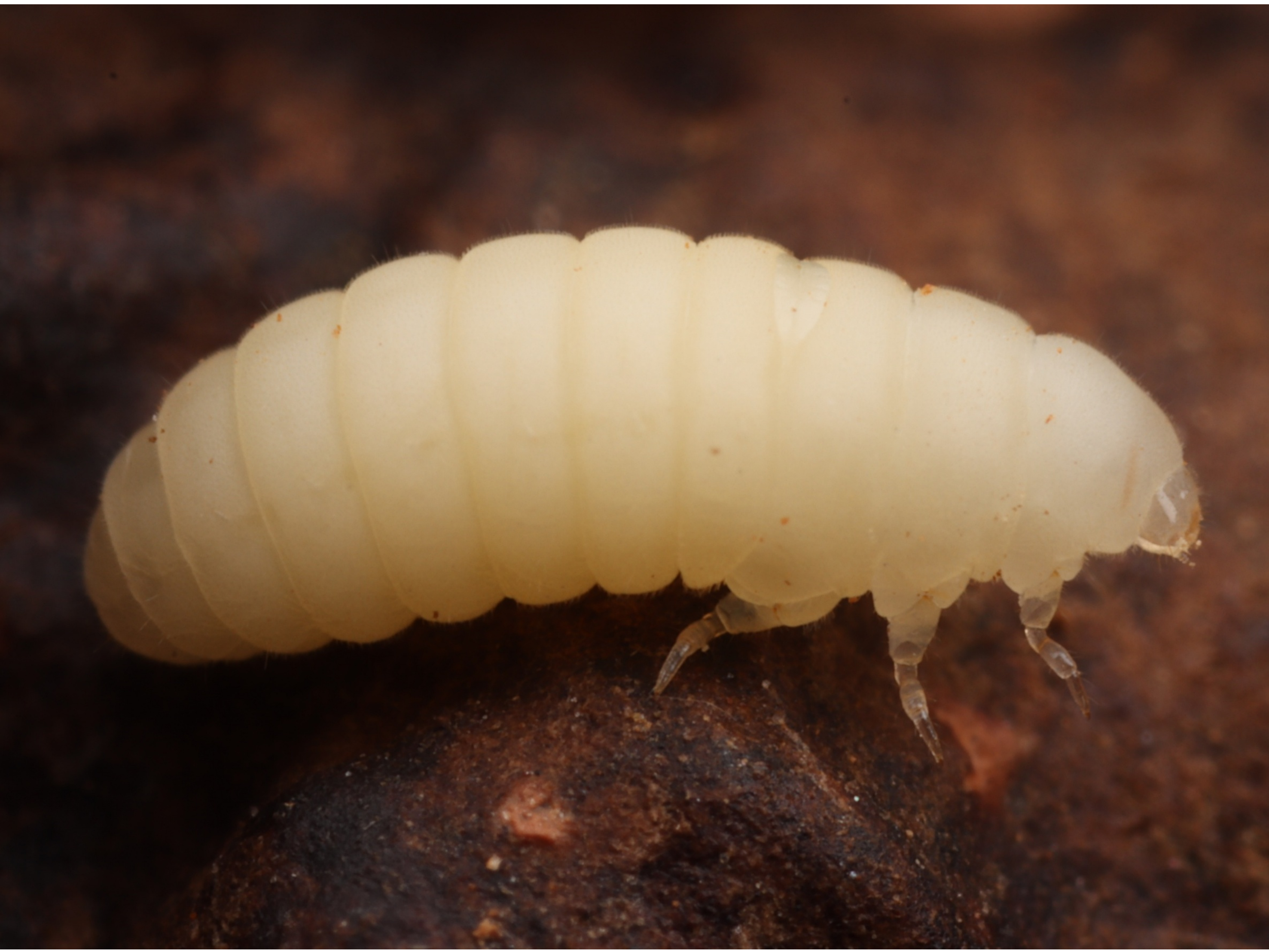
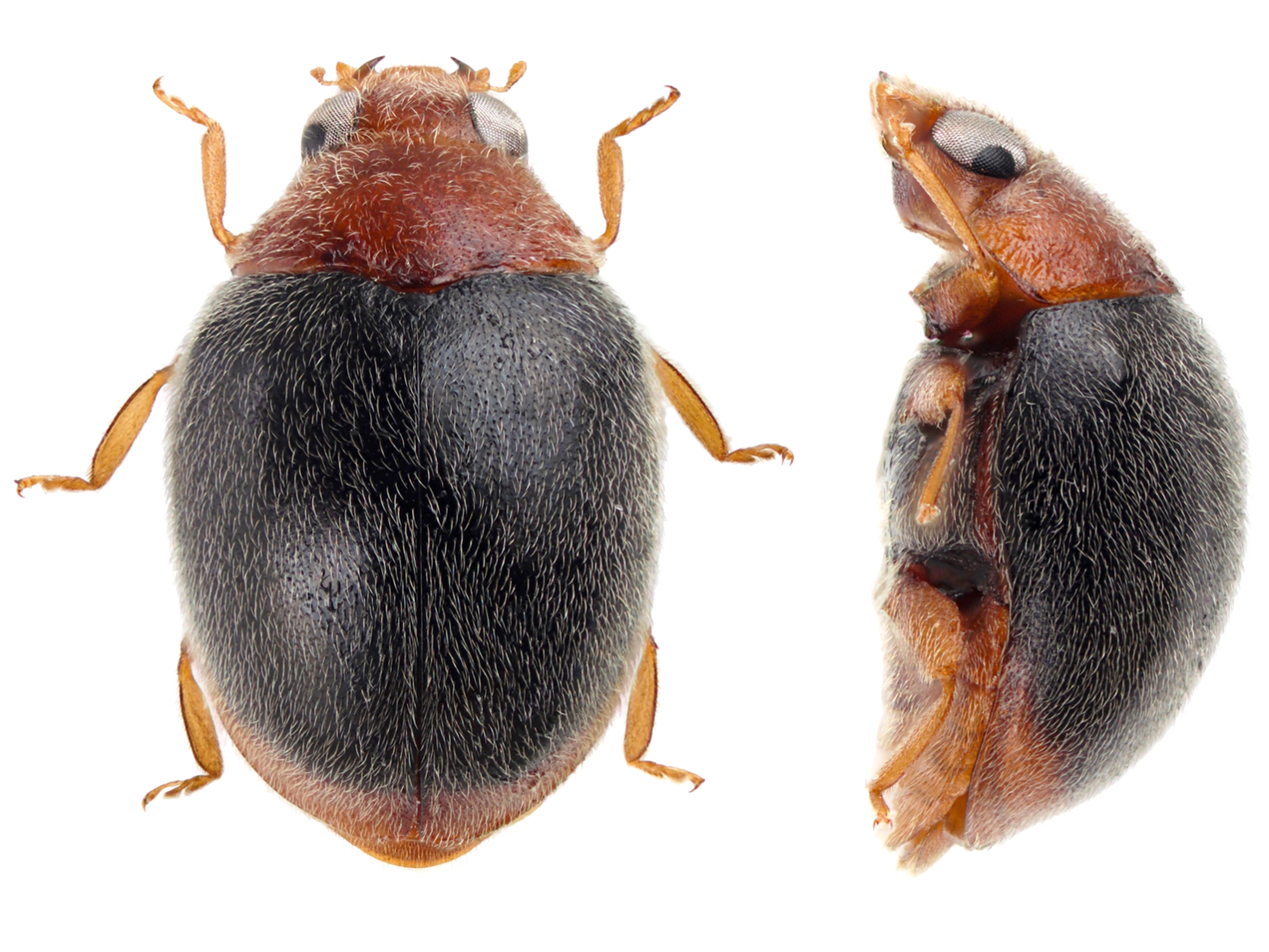
- The new species collected in Thailand shows larval morphology resembling the abdomen of termites, indicating adaptation to life within termite nests. In contrast, the adults retain a body form that is largely similar to that of typical ladybird beetles.
- This finding demonstrates that previously unknown insect diversity exists within the unexplored environment of termite nests, greatly expanding our understanding of biodiversity.
Abstract
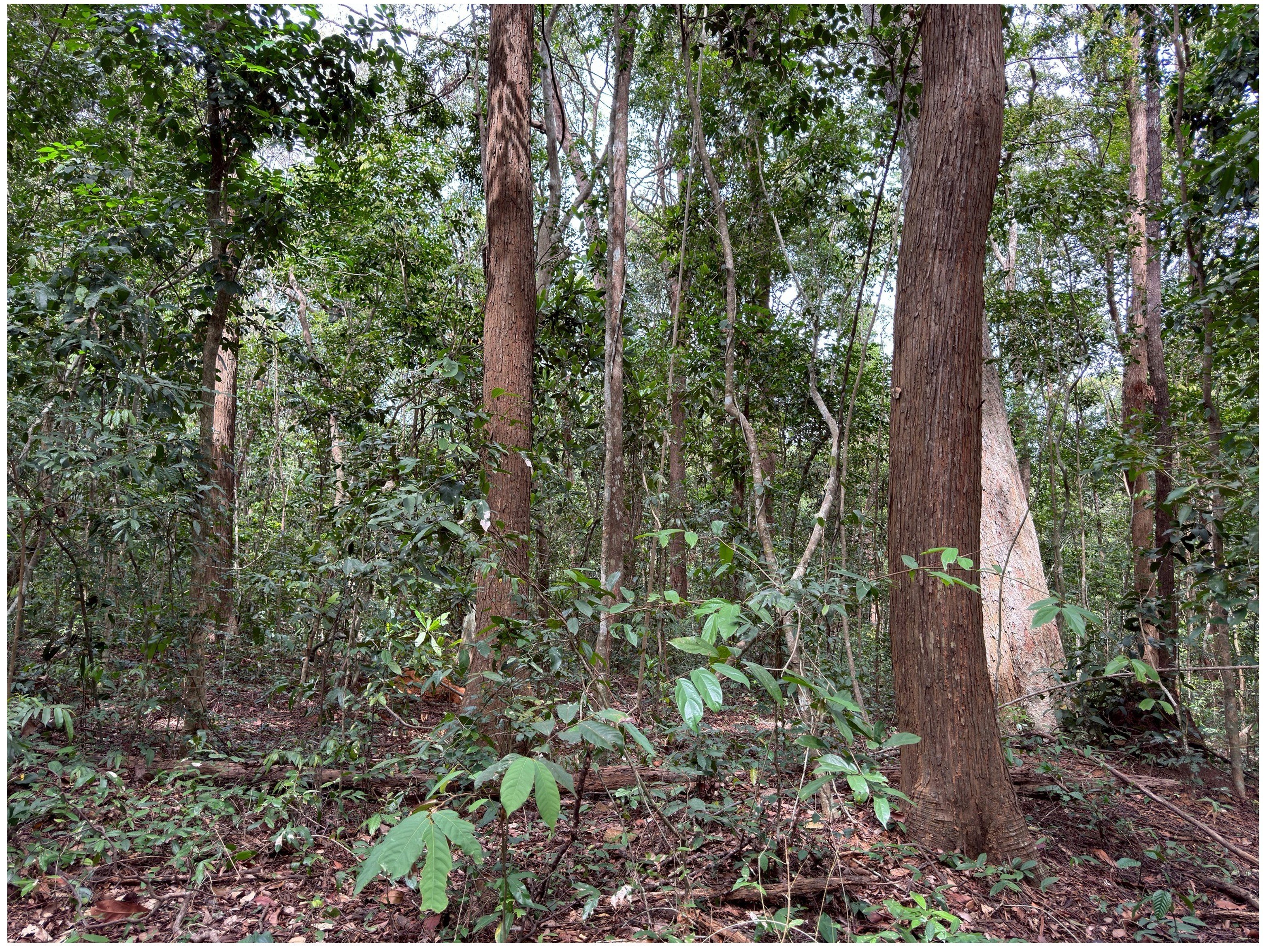
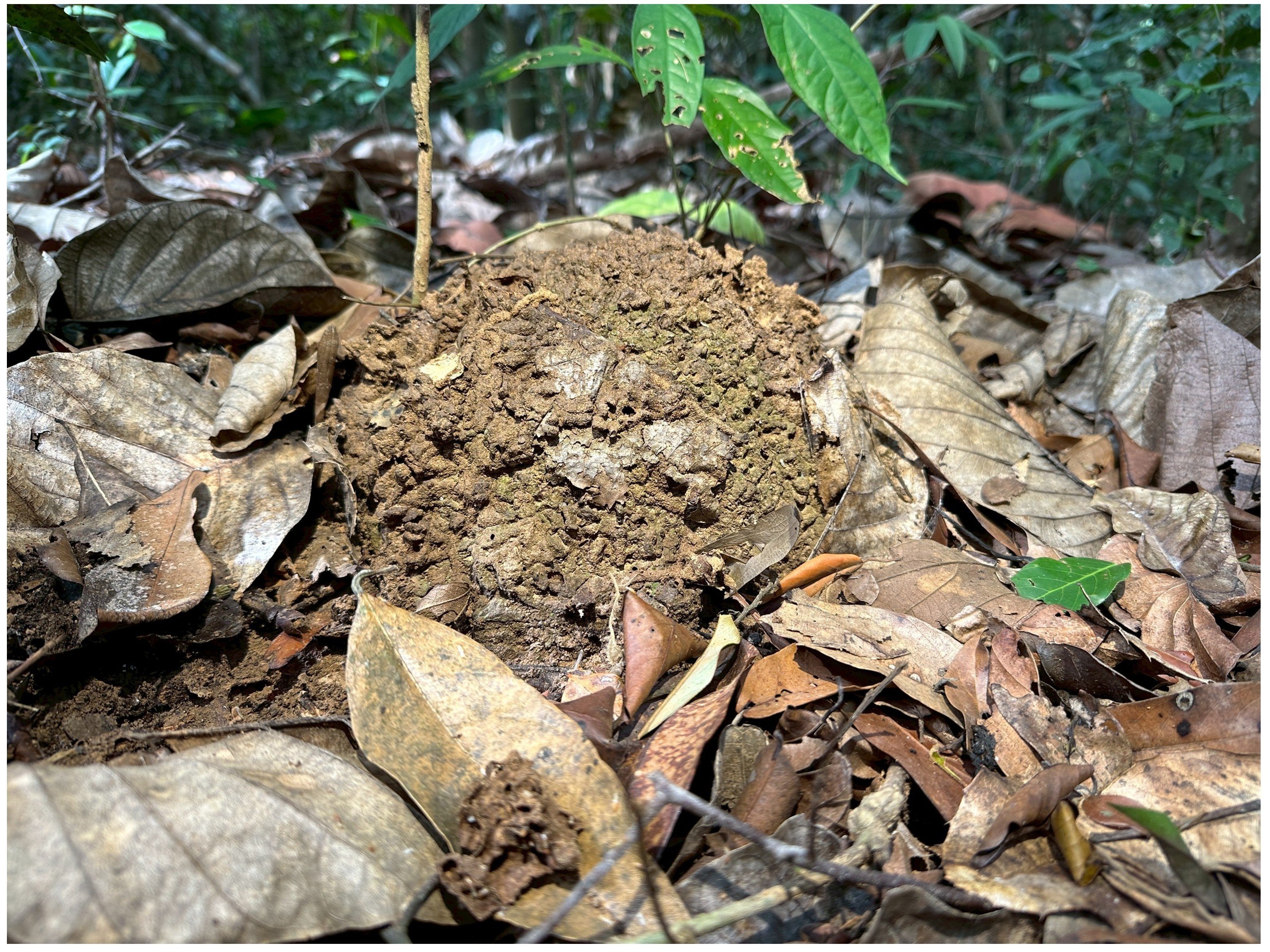
Termite nests are unique environments with stable humidity, temperature, and food resources, and are known to host a wide range of symbiotic organisms in a broad sense. However, no confirmed cases have previously been reported of ladybird beetles adapting to and inhabiting this environment.
A research group consisting of Mr. Ryōta Seki (Graduate School of Bioresource and Bioenvironmental Sciences, Kyushu University), Dr. Wei-Jen Liang (MICRODO, Taiwan), and Associate Professor Munetoshi Maruyama (Kyushu University Museum) discovered a new species of ladybird beetle from within termite nests during field surveys in Thailand. The species was named Scymnus (Pullus) shunsii, with the specific name dedicated to Dr. Liang's eldest son, who was born last year.
The species is characterized by larvae with a soft, whitish body and a morphology resembling the abdomen of termite workers, representing a remarkable adaptation. In contrast, the adults retain a morphology largely similar to that of typical ladybird beetles, suggesting that adaptive strategies may differ markedly between developmental stages.
In addition, all larvae and pupae were found within termite nests and have not been observed outside. In contrast, adults have been confirmed to fly at night and are attracted to light, suggesting that they disperse in search of new nests.
This study represents the first formal report of termitophily in ladybird beetles and provides a new perspective on the evolution and ecology of insects. At the same time, it highlights termite nests as important habitats that harbor a wealth of yet-undiscovered biodiversity.
The results of this study were published in the journal European Journal of Entomology (Czech Republic) on May 14, 2026 (JST).
Publication Information
Journal: European Journal of Entomology
Title: The first termitophilous ladybird beetle: Scymnus (Pullus) tshunsii sp. nov. (Coleoptera: Coccinellidae) from Microcerotermes nests in Thailand
Authors: Ryōta Seki・Wei-Ren Liang・Sasitorn Hasin・Chun-I Chiu・Munetoshi Maruyama
DOI:10.14411/eje.2026.017
- For more details on this research, click here.
For Research-related inquiries
Associate Professor Munetoshi Maruyama
Kyushu University Museum